Why a Small Change Can Set Off Big Jaw Problems
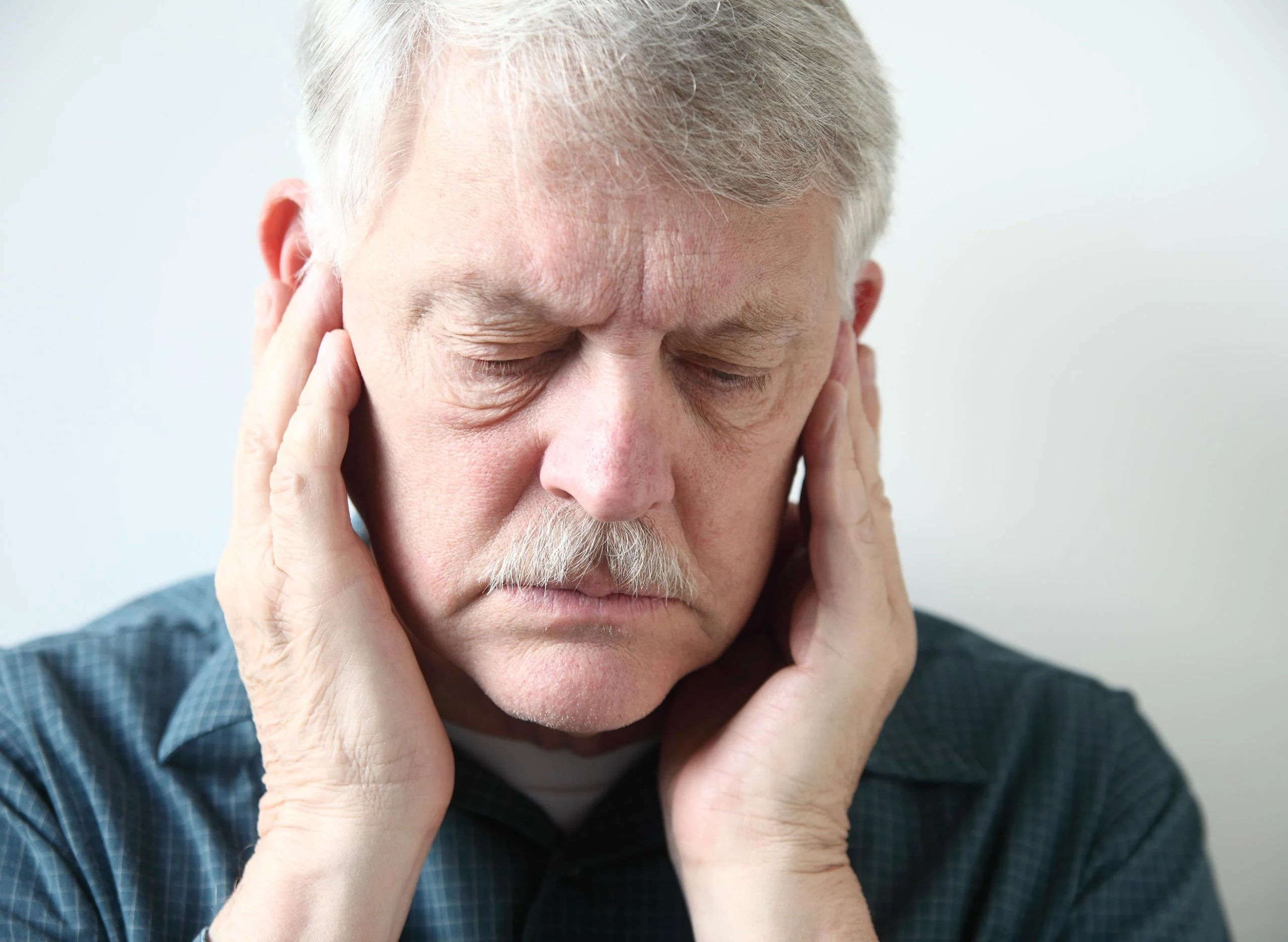
A new filling, a crown, an extraction, a long hygiene visit or a minor bump to the jaw can seem harmless. For some patients, that small change sets off an overreaction in the system that protects the jaw joint, leading to tight muscles, clicking, popping and trouble opening the mouth. At Dr. Irina Deresh DMD in Brookline, MA, we focus on finding where that cycle started and helping the jaw settle back into a healthy, comfortable position.
Request an AppointmentWhat the Temporomandibular Joint Does
The temporomandibular joint (TMJ) connects your lower jaw to your skull just in front of each ear. You use it every time you talk, chew, swallow or yawn. A small cushioning disc sits between the bones and lets the jaw glide and rotate smoothly. A group of muscles controls that motion, and your nervous system constantly monitors the position of the jaw and teeth to protect the joint.
When this system works well, you barely notice it. When it is thrown off balance, the result is temporomandibular disorder, usually called TMD.
How TMD Develops
The brain relies on a steady stream of signals from the teeth, muscles and joint to decide how the jaw should move. Stress interferes with how that information is processed. Under stress, the brain can misread even a slight change in the bite and treat it as a threat to the joint.
The protective response is to tighten the jaw muscles, sometimes into spasm. Those tense muscles pull the jaw out of its natural position. As the jaw shifts, the disc can slip out of place. A displaced disc creates an obstruction when the mouth opens, which is what causes:
- Clicking or popping sounds in the jaw
- Difficulty opening the mouth fully
- A jaw that catches, locks or opens off to one side
- Aching or tired jaw muscles, especially after chewing
For a fuller list of warning signs, visit our page on TMD symptoms and signs.
Common Triggers
TMD rarely has a single cause. It often begins when a stressful period overlaps with a change in the mouth or jaw, such as:
- A new filling or crown that alters how the teeth meet
- A tooth extraction that changes the bite
- A long dental or hygiene appointment with the mouth held open
- A minor injury or blow to the jaw
- Clenching or grinding, often during sleep
- Ongoing emotional or physical stress
The Snowball Effect of Untreated TMD
Left alone, TMD tends to build on itself. Muscle tension keeps the disc out of position, the joint takes on more strain and the discomfort adds to the patient’s stress. More stress means more muscle tension, and the cycle repeats. Over time this can cause further damage to the joint.
The effects are not limited to the jaw. Because the jaw, head, neck and nervous system are so closely connected, this ongoing cycle can disturb the body’s overall balance. Patients often describe headaches, neck and shoulder tension, ear fullness, poor sleep and fatigue alongside their jaw symptoms.
Why Early Care Matters
The sooner the cycle is interrupted, the easier it is to calm the muscles and help the jaw return to a stable position. Dr. Irina Deresh focuses her practice on TMD, and her approach looks at the whole picture: the bite, the muscles, the joint and the stress that drives them. You can learn more about her background on our Meet the Doctor page, explore the options on our TMD treatment page and see how care is planned on our treatment page.
Questions Patients Ask About TMD
What is the difference between TMJ and TMD?
TMJ is the temporomandibular joint itself, the hinge that connects your jaw to your skull. TMD, or temporomandibular disorder, describes problems with that joint and the muscles that move it, such as pain, clicking or limited opening.
Can a new filling or crown really cause TMD?
It can contribute. Even a very small change in how your teeth meet can be misread by the nervous system, especially during stressful times. The jaw muscles may tighten to protect the joint, which can shift the jaw and the disc out of position.
Why does my jaw click or pop?
Clicking and popping usually mean the disc inside the joint has moved out of its normal place. As the jaw opens, the bone slides over or around the displaced disc, creating the sound and sometimes a catch in movement.
How does stress affect my jaw?
Stress changes how the brain processes signals from the jaw and teeth. It can lead to clenching, grinding and muscle tension, which pull the jaw out of alignment and strain the joint. Jaw pain then adds more stress, creating a cycle.
Will TMD go away on its own?
Mild symptoms sometimes ease, but when tension keeps the disc out of place, the problem often worsens over time and can damage the joint. An evaluation helps you understand what is happening and whether treatment is needed.
Can TMD cause headaches or neck pain?
Yes. The jaw muscles are closely linked to the muscles of the head, neck and shoulders. Many patients with TMD also report headaches, neck tension, ear fullness and trouble sleeping.
How do I get my jaw evaluated in Brookline?
Call Dr. Irina Deresh DMD at (617) 734-5516 or request an appointment online. The office is at 1720 Beacon Street in Brookline, MA, and is open Tuesday, Thursday and Friday from 1:00 PM to 8:00 PM.
Break the Cycle of Jaw Pain
If your jaw clicks, locks or aches, especially after recent dental work or a stressful stretch, an evaluation can show what is driving it. Call Dr. Irina Deresh DMD at (617) 734-5516 or request a visit online. You can also read our frequently asked questions before you come in.